How Do You Want to Be in this Moment?
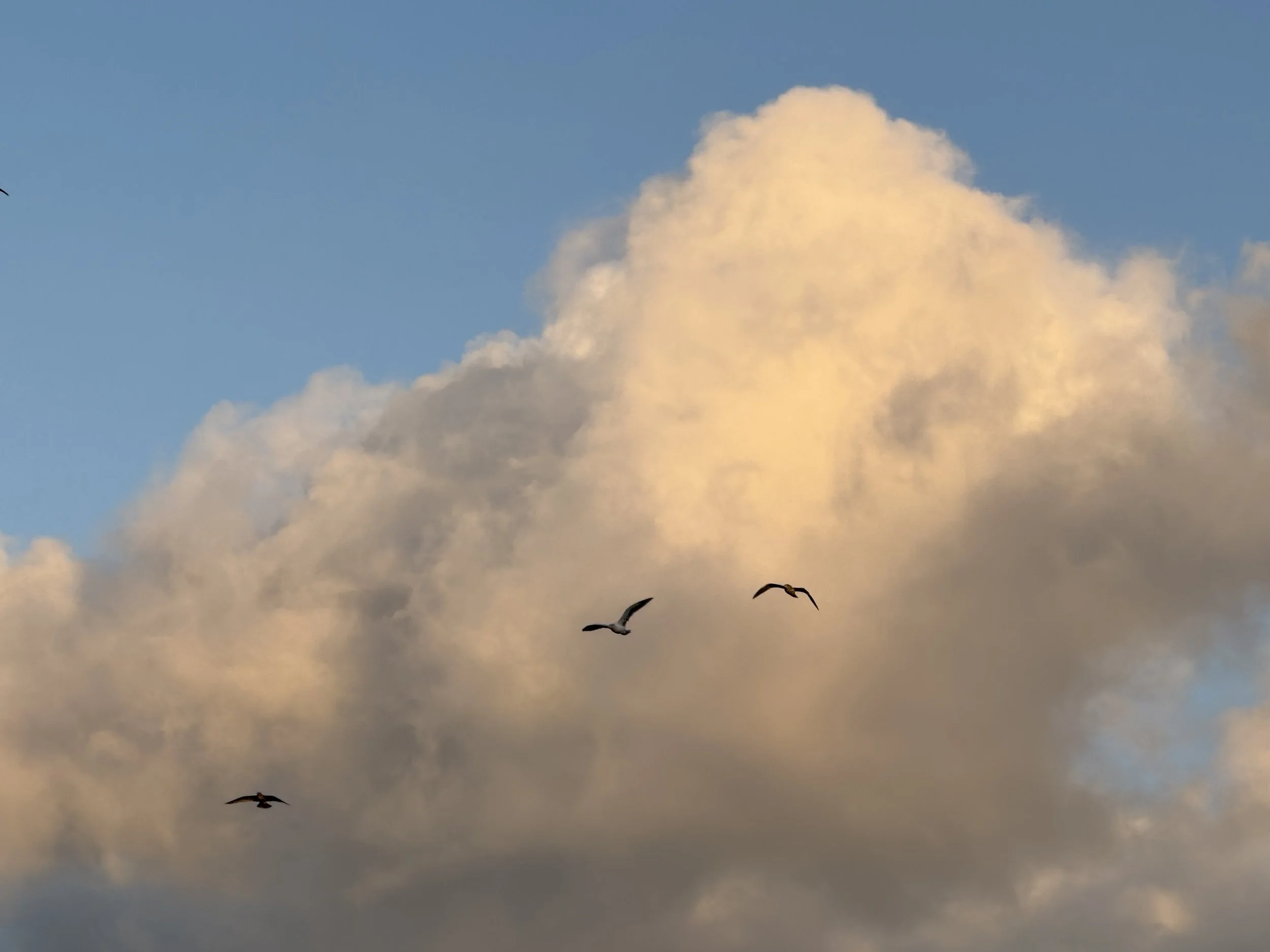
Peace Is This Moment Without Judgment
Do you think peace requires an end to war?
Or tigers eating only vegetables?
Does peace require an absence from
your boss, your spouse, yourself?...
Do you think peace will come some other place than here?
Some other time than Now?
In some other heart than yours?
Peace is this moment without judgment.
That is all. This moment in the Heart-space
where everything that is is welcome.
Peace is this moment without thinking
that it should be some other way,
that you should feel some other thing,
that your life should unfold according to your plans.
Peace is this moment without judgment,
this moment in the Heart-space where
everything that is is welcome.
by
Dorothy Hunt
I think it is safe to say that all my work, personal and professional, centers along a singular question:
How do you want to be no matter what?
How do you want to breathe, move, speak, react no matter what?
Most of us emphatically declare how and where we DO NOT want to be - I don’t want to be anxious, I don’t want to be afraid, I don’t want to be angry - yet we take little identifying and naming the alternative.
With patients, I might ask:
And how do you want to be if the cancer goes away or comes back; if the pain abates or returns; if your children’s condition improves or does not?
To myself, I ask on a daily basis:
And how do you want to be if that person is pleased or angry with you; if that student leaves encouraging feedback or a scathing evaluation; if your spouse leaves those dishes under the coffee table or puts them in the dishwasher (where obviously they belong)?
Such a range situations with seemingly differing degrees of seriousness, yet as each of us knows deep within, a dish under the coffee table can incite such gale force criticisms that catches the person on the receiving end of it, as well as ourselves, by surprise.
It’s just a damn dish; it’s not a terminal disease! Yet let’s be honest, in our mind, and in our body, it is terminal. We dig in our heels, intensifying our stance, and attack - What the hell is wrong with you? Why can’t you pay attention, get off your butt, put anything away? Why don’t you listen to me? Why don’t you love me?
When I can pause long enough to listen to myself, what else can I do but smile as the realization forms. Who is really suffering right now? It most certainly isn’t the one who left the dish under the coffee table!
So the question remains - How do I want to be no matter what?
Once I settle, allow the chair I am sitting on to hold me up, I know that how I would really like to be is at peace. I would like to find the peace that allows me to breathe, really breathe, easily, effortlessly, and without tension, pressure, force or resistance no matter what. What is peace? Imagine it this way - two warring countries reach a peace agreement. What happens? What do the countries and people then do? It is not as if they agree on everything, adopt the same ideological, political or even social values. The people on either side might not agree or even like their neighbor’s governments, habits and even lifestyles, however, they both practice acceptance, tolerance and they stop throwing bombs.
So much of our lives is filled with conflict. We see it everywhere we turn. Everyone is screaming at one another, not listening or understanding, blaming and shaming. Cultivating peace, or equanimity, allows us to stop the fighting, even internally. Any time we treat an experience as an adversary, we never will find peace. Whether it is another person or another person’s behavior, or our own internal thoughts, emotions or physical sensations, we take up arms, mobilize, and start to battle. If I hold the belief that my partner is an unsympathetic, uncaring jerk who doesn’t care about me or listen to my requests, I am immediately at war. Likewise, if I tell myself that I shouldn’t (should is an important word here) think these thoughts, then I go to war with myself, with my own thinking.
The question how do you want to be no matter what holds all of this. Not only how do I want to be when my partner leaves the food encrusted plate in the sink, but also, how do I want to be when I harbor thoughts about their degree and level of caring and aptitude.
None of this negates the reality of existence. The dish is left, the pain is present, the diagnosis received. Yet our responses to these are not set in stone, although they may feel as immovable and insurmountable. When we fight reality, reality wins. Facts are not the same as responses. By pausing enough, we open the door to creating a new mode of operating. How do I want to be when the sadness, despair, or anger are present?
I like to replace the word be with breathe - how do I want to breathe when any of this happens? If I want to breathe peacefully, then I instantly have a direction, a path, a roadmap. To breathe peacefully, I can drop my shoulders, soften my belly, unclench my jaw (and fists), and allow the chair to hold me up. It doesn’t change the facts, but I am better able to show up to them, have the space to see them more clearly, and then intentionally and consciously decide how I want to take the next step.
How do you want to be, breathe and move no matter what?